


Slack was a video game. Twitter was a podcast app. Instagram was a check-in tool.
None of those original products exist anymore. All three companies are worth billions.
I've been thinking about these three stories a lot lately - not because pivot narratives are inherently interesting, but because of what they reveal about something most early stage founders get completely wrong. It's not about the pivot itself. It's about what made the pivot possible.
And it has everything to do with brand.
Three Companies. Three Complete Rebuilds.
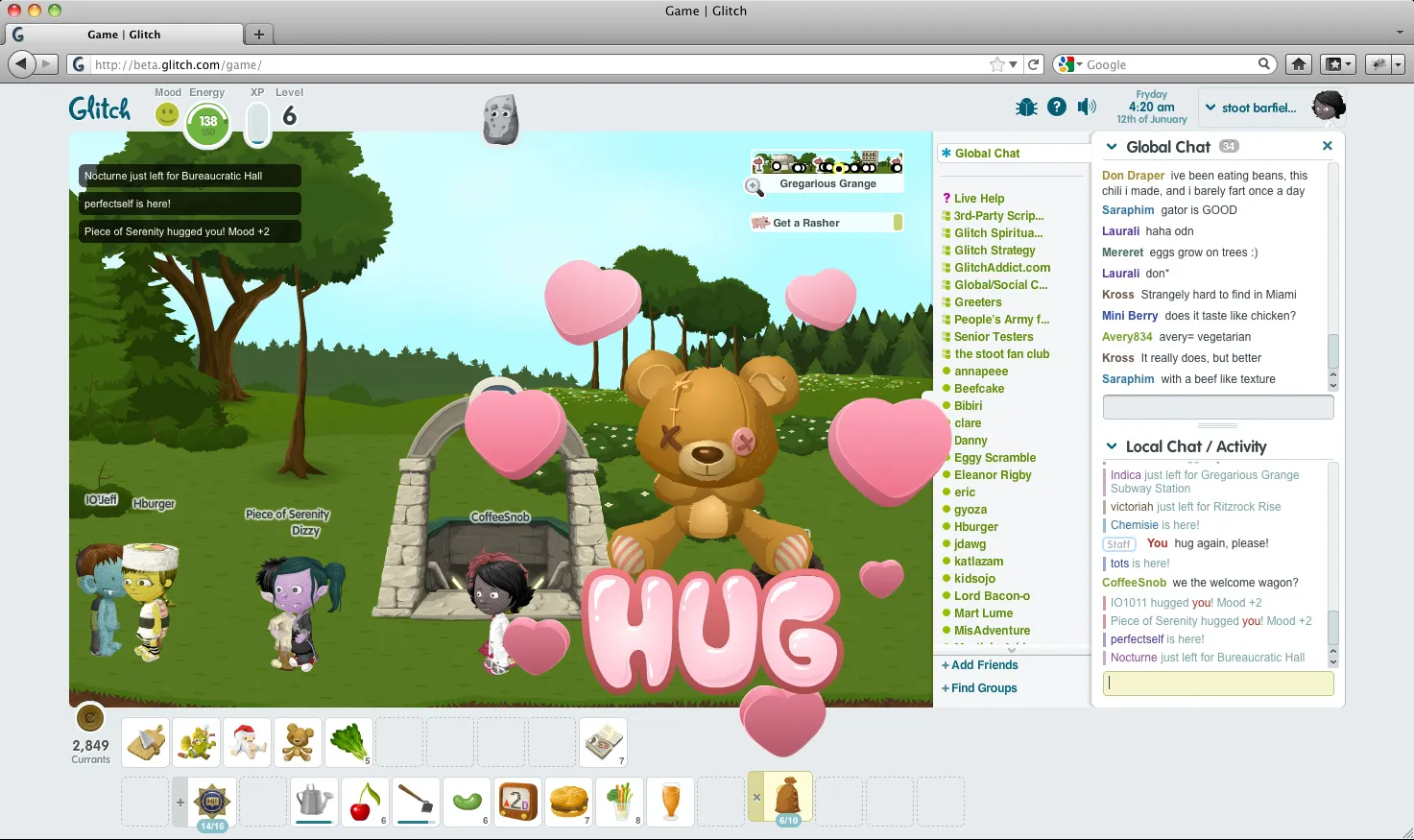
Stewart Butterfield spent years building Glitch - an online multiplayer game that never gained the traction his team hoped for. When it shut down in 2012, Butterfield could have walked away. Instead he looked at what his team had built on the side - an internal communication tool they'd created just to stay connected across their distributed offices - and recognized that the real opportunity had been hiding inside the failure the whole time. Slack launched in 2013 and became the fastest growing B2B application in history.
Twitter's origin story is equally unlikely. It started as Odeo, a podcasting platform founded by Evan Williams in 2005. Then Apple launched iTunes podcasting and eliminated Odeo's entire market almost overnight. Rather than shut down, the team ran an internal brainstorm. A young Jack Dorsey pitched an idea for a microblogging tool - a simple way to share what you were doing in real time. The company pivoted completely, and what became Twitter reshaped how the world communicates.

Instagram launched as Burbn - a complex location-based app loaded with features for checking in, earning points, and sharing photos. Users largely ignored it. But the founders noticed one behavior that kept showing up consistently: people were using the photo sharing feature obsessively while ignoring almost everything else. Kevin Systrom and Mike Krieger made a radical decision - strip the entire app down to that single behavior and relaunch. Two years later Facebook acquired Instagram for $1 billion.
Three companies. Three complete product rebuilds. And yet all three survived and thrived on the other side of their pivots.

What the Conventional Pivot Narrative Misses
Before we get into the pattern, there's one more layer to these stories worth acknowledging - because the conventional pivot narrative skips over it entirely.
The mission from Glitch to Slack wasn't the same mission. Butterfield wasn't secretly building a communication tool all along - he was building a game, and it failed. What kept the company alive through that transition wasn't brand clarity alone. It was investor belief in the team.
When Glitch shut down, Butterfield's investors didn't ask for their money back. They let the team regroup and try something else. That decision wasn't based on the product - it was based on the people. Their track record, their judgment, their ability to execute under pressure. The product was replaceable. The team wasn't.
This matters because foundational brand clarity and team cohesion aren't separate considerations - they're deeply connected. A team that knows what it stands for, that has unified values and a shared way of working, earns that kind of investor trust. It's not just about having a north star for your brand. It's about being the kind of team people continue to bet on when the north star moves.
The Pattern Nobody Talks About
The conventional wisdom around these stories focuses on agility - the willingness to abandon a failing idea and try something new. That's true as far as it goes. But it misses the more important point.
In each case, the founding team had a clear and unwavering sense of the problem they existed to solve, even when the product they were building to solve it completely changed. Butterfield understood that distributed teams needed better ways to communicate and collaborate. Williams and Dorsey understood that people wanted real-time connection in short bursts. Systrom and Krieger understood that mobile photography was an untapped social behavior.
The product changed. The mission didn't.
And that distinction - between the product and the mission - is exactly where most early stage founders get into trouble.
Now I want to be fair here, because there's a legitimate counterargument worth addressing. Lean startup advocates will tell you that locking in brand too early is dangerous. If Slack had spent six months and significant budget building out a brand identity around Glitch, they'd have wasted that investment the moment they pivoted. That's a real point and I don't dismiss it.
But that argument is only true for one type of brand. There are actually two, and most people only think about one of them.
Visual brand - your logo, color palette, typography, design system - yes, that can reasonably wait until you have stronger product market fit signals. Rebuilding a visual identity after a pivot is painful but survivable.
Foundational brand - what problem you solve, who you serve, what you stand for, why your team gets out of bed in the morning - that cannot wait. And here's the critical difference: foundational brand clarity doesn't make a pivot harder. It makes a pivot cleaner. When your team knows what they stand for at a fundamental level, a major product change is a strategic adjustment. When they don't, the same change becomes an identity crisis that can fracture a team and confuse every stakeholder in the process.
What This Actually Looks Like in Practice
Foundational brand clarity isn't a lengthy exercise or an expensive deliverable. It's the ability for every person on your founding team to answer a handful of questions without hesitating.
What specific problem are we solving, and for whom? Why does that problem matter enough to build a company around? What do we believe about how that problem should be solved that our competitors don't? What would we never compromise on, regardless of market pressure?
These aren't marketing questions. They're strategic ones. And the answers inform everything - how you hire, how you pitch investors, how you prioritize your roadmap, and yes, how you build your brand and website when the time comes.
We see the cost of skipping this work regularly. Teams come to us ready to build, but the foundational thinking hasn't been done yet. So decisions that should be straightforward - what goes on the homepage, how we describe the product, what the primary call to action should be - turn into extended conversations that slow everything down. The design process gets distorted because the content isn't ready to inform it. Work gets revisited that should have been done once.
It's not a failure of execution. It's a sequencing problem. And it's entirely avoidable.
The Pivot Test
Here's a simple reframe I'd encourage every early stage founder to apply before investing in brand or web presence.
Ask your founding team this question separately, without collaborating on the answer first: if our product changed completely tomorrow, what would stay the same?
If everyone gives roughly the same answer, you have foundational brand clarity. Build from there with confidence.
If the answers diverge significantly, or if people struggle to answer at all, that's the work that needs to happen before anything else. Before the website. Before the brand identity. Before the messaging. Because without that clarity, everything you build on top of it is provisional at best.
Slack, Twitter, and Instagram didn't survive their pivots because they were lucky or uniquely talented. They survived because the people leading those companies could answer that question clearly, even in the middle of significant uncertainty - and because they had built the kind of trust that made investors willing to follow them into something entirely new. The product was replaceable. The team wasn't.
The Question Worth Sitting With
The next time someone tells you to focus on product and figure out brand later, I'd push back - not on the priority, but on the definition. If by brand they mean logo and colors and a polished website, they're probably right. That can wait.
But if foundational brand means knowing what you stand for, who you're building for, and why it matters - that work is never too early. In fact for most founding teams, it's already overdue.
If your product changed completely tomorrow, would your team still know what you stand for?
If the answer isn't immediately clear, that's the conversation worth having first. It's also exactly where we start every sprint we run at Upspire Labs. If you're an early stage founder working through this, a sprint briefing is a good place to begin.
This is part of the Founders Series, a collection of pieces we write specifically for early-stage teams working through the decisions that don't have obvious answers yet. If this resonated, the rest of the series is worth your time. Explore the Founders Series